What Is Calibration?
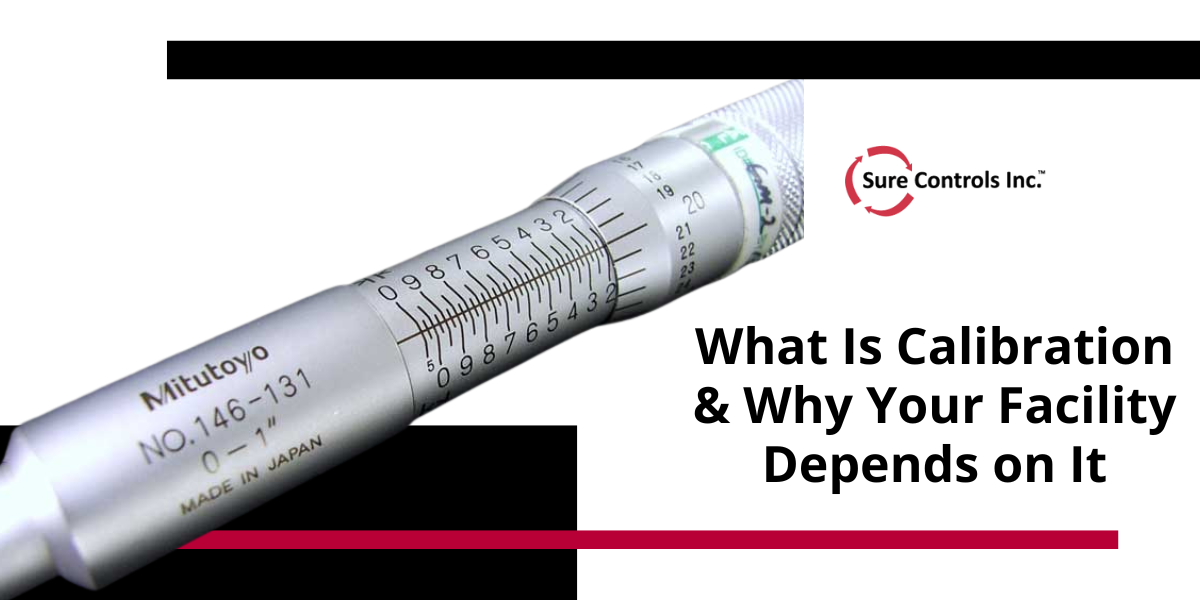
Calibration is the process of comparing a measurement device to a known standard to ensure its readings are accurate. Every device that measures something, whether it is temperature, pressure, weight, speed, or force, slowly drifts out of accuracy over time. Calibration identifies that drift so it can be corrected before it affects product quality or production reliability.
A proper calibration confirms two things. It verifies the accuracy of the device, and it confirms that the measurement is traceable to an accepted national or international standard. When an instrument fails calibration, adjustments or repairs are made, and a report documents the results before and after the work is performed.
It is used across industries like manufacturing, engineering, healthcare, and physics to maintain accuracy, safety, and compliance.
In this guide, we’ll explain:
- What calibration means
- How the calibration process works
- Real-world examples
- Why calibration is important in industrial environments
Examples of Calibration
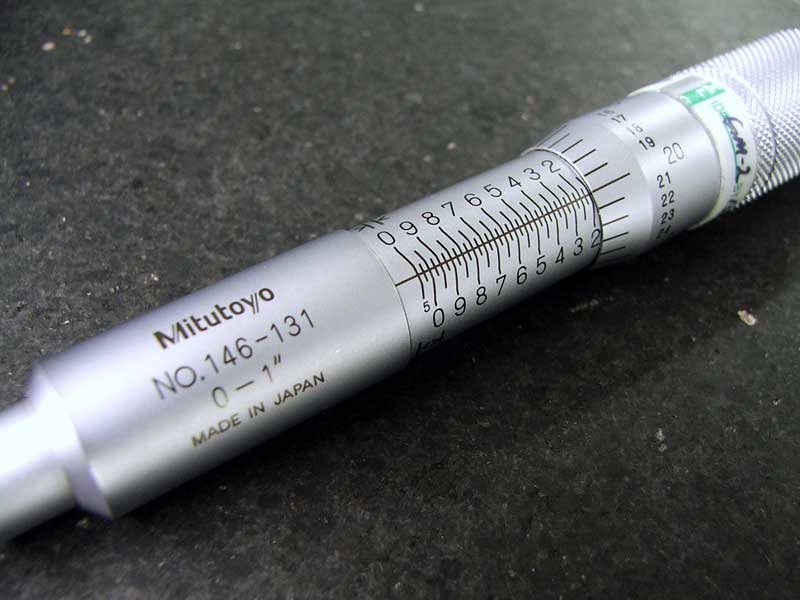
Calibration is used across many types of instruments and industries. Common examples include:
- Thermometer calibration to ensure accurate temperature readings in manufacturing or labs
- Pressure gauge calibration for hydraulic and pneumatic systems
- Scale calibration to maintain precise weight measurements
- Flow meter calibration for monitoring liquid or gas movement
Each of these ensures that measurements remain consistent, reliable, and within acceptable tolerances.
Why Calibration Matters
Calibration is important because even small measurement errors can lead to significant issues in production, safety, and product quality. Even the best instruments do not stay accurate forever. Normal wear, vibration, aging components, temperature swings, electrical noise, and environmental contaminants all affect measurement performance. The more demanding the environment, the faster accuracy drifts.
Calibration is important because inaccurate measurements create real business risks.
Product Quality
If an instrument is off, even slightly, your final product will be off as well. Modern manufacturing relies on precision, and calibration protects that precision.
Safety and Compliance
Many industries have strict measurement requirements. Incorrect readings can put equipment, operators, or consumers at risk.
Process Efficiency
Faulty measurements lead to incorrect adjustments, wasted material, rework, and troubleshooting headaches. Calibration removes these hidden costs.
Equipment Protection
Controls that rely on inaccurate sensors often push equipment outside of safe operating limits. A small measurement error can become a large repair bill.
Customer Confidence
Reliable measurements support consistent output, which builds trust with customers and partners.
In simple terms, calibration is the foundation of dependable manufacturing. Without it, even the best processes become unpredictable.
How Often Should Instruments Be Calibrated?
The frequency of calibration depends on several factors, including how often the instrument is used, the environment it operates in, and the level of accuracy required.
For example:
- High-precision or safety-critical instruments may require frequent calibration
- Equipment used in harsh environments may drift faster and need more regular checks
- Some industries require calibration at set intervals for compliance
A preventative calibration schedule helps reduce risk and ensures consistent performance.
Calibration Services from Sure Controls
Sure Controls provides professional calibration services for a wide range of instruments used in manufacturing. Our technicians evaluate performance, adjust the device when needed, repair it if necessary, and provide documentation that supports audits and compliance requirements. The goal is simple. Keep your measurement devices accurate, dependable, and ready to support your production goals.
If you rely on precise measurements to maintain product quality or process stability, proper calibration is essential. Our team is available to support preventative maintenance programs or one-time calibration needs.
Call us to discuss your calibration needs at (800) 844-8405 or fill out a contact form.
Looking For Industrial Automation Parts? We Can Help!